Inland Ports
When people think about global trade, they often picture massive seaports lined with towering cranes unloading cargo ships from around the world. While these coastal gateways are essential to international commerce, another critical piece of the logistics puzzle often goes unnoticed: inland ports.
As supply chains become increasingly complex and consumer expectations continue to rise, inland ports have emerged as strategic hubs that improve efficiency, reduce transportation costs, and strengthen the resilience of freight networks. By connecting rail, trucking, warehousing, and distribution services away from congested coastal areas, inland ports help businesses move goods faster and more reliably.
What Is an Inland Port?
An inland port is a logistics and transportation hub located away from coastal seaports. Unlike traditional ports that receive ocean-going vessels, inland ports serve as intermodal facilities where cargo is transferred between trains, trucks, and warehouses.
Most inland ports are directly connected to major seaports through dedicated rail corridors. Instead of unloading containers at crowded coastal terminals and immediately placing them on trucks, cargo can be transported inland by rail to centralized facilities where customs processing, storage, distribution, and value-added services take place.
These facilities often include:
Intermodal rail terminals
Distribution and fulfillment centers
Warehousing and cold storage
Customs clearance facilities
Cross-docking operations
Manufacturing and assembly operations
By moving logistics activities inland, businesses can optimize the movement of freight while reducing pressure on busy coastal infrastructure.
Reducing Congestion at Seaports
One of the biggest advantages of inland ports is their ability to relieve congestion at major seaports.
Global shipping volumes have increased dramatically over the past decade, creating bottlenecks at many coastal ports. Long truck lines, container shortages, and limited storage space can delay shipments and increase transportation costs. Inland ports help solve this problem by allowing containers to leave seaports quickly via rail. Rather than sitting at expensive dock facilities waiting for truck pickup, cargo moves efficiently to inland logistics centers where there is more space and greater flexibility for processing and distribution. This faster movement improves container turnover, shortens dwell times, and keeps seaport operations flowing more efficiently.
Lower Transportation Costs
Transportation expenses represent one of the largest costs in supply chain management.
Rail transportation is significantly more fuel-efficient than long-haul trucking, particularly when moving large quantities of freight over long distances. Inland ports capitalize on this advantage by shifting a substantial portion of cargo movement from highways to rail. Once containers arrive at the inland port, trucks only need to travel shorter regional distances to reach warehouses, retailers, or manufacturing facilities.
This combination of long-distance rail and short-haul trucking creates a more cost-effective transportation model while reducing wear on highways and lowering fuel consumption. For companies managing high shipping volumes, these savings can have a meaningful impact on overall logistics costs.
Faster Distribution to Regional Markets
Location matters in logistics. Many inland ports are strategically positioned near major population centers, manufacturing regions, or interstate highway networks. This allows companies to distribute products more quickly to customers across multiple states or regions.
Instead of routing every shipment through crowded coastal cities, businesses can establish distribution centers at inland ports that serve as centralized hubs for regional fulfillment. This approach shortens delivery times while improving inventory availability and customer service. As same-day and next-day delivery become increasingly common expectations, inland ports help companies position inventory closer to end consumers without relying solely on expensive metropolitan warehouse space.
Improving Supply Chain Resilience
Recent disruptions—from pandemics and labor shortages to extreme weather events and geopolitical tensions—have highlighted the importance of supply chain resilience.
Inland ports provide greater flexibility by creating additional nodes within transportation networks. If congestion or delays occur at one location, freight can often be redirected through alternative rail routes or inland facilities. Companies also gain more options for storing inventory, staging shipments, and balancing transportation capacity. Rather than depending entirely on one coastal gateway, businesses with inland port access have greater control over how freight moves throughout their supply chains. This flexibility reduces risk and helps organizations recover more quickly when disruptions occur.
Supporting Sustainability Goals
Environmental sustainability has become a major priority across the logistics industry. Inland ports contribute to greener supply chains in several ways.
Rail transportation generally produces fewer greenhouse gas emissions per ton-mile than long-distance trucking. By shifting freight from highways to rail, inland ports help reduce overall carbon emissions.
Shorter truck routes also mean:
Lower fuel consumption
Reduced traffic congestion
Fewer vehicle emissions
Less highway maintenance
Many modern inland ports are also investing in electric cargo-handling equipment, renewable energy, smart logistics technology, and energy-efficient warehouse operations to further reduce their environmental footprint. As businesses work toward environmental, social, and governance (ESG) objectives, inland ports offer practical opportunities to improve sustainability without sacrificing operational efficiency.
Encouraging Economic Development
Beyond logistics, inland ports serve as powerful engines of regional economic growth.
The presence of an inland port often attracts:
Manufacturers
Distribution companies
Third-party logistics providers
Warehousing operations
Retail fulfillment centers
Technology companies
These businesses create jobs in transportation, construction, equipment maintenance, information technology, supply chain management, and warehouse operations. Communities surrounding inland ports frequently experience increased private investment, infrastructure improvements, and expanded tax bases that support long-term economic development.
For many inland regions, these logistics hubs become catalysts for industrial growth and business expansion.
Technology Is Making Inland Ports Even Smarter
Modern inland ports increasingly rely on advanced technology to improve operational efficiency.
Digital platforms now provide real-time visibility into container movements, allowing shippers to monitor freight throughout its journey. Automated scheduling systems reduce wait times for trucks, while artificial intelligence helps optimize equipment usage and terminal operations. Internet of Things (IoT) sensors track cargo conditions, predictive analytics improve demand forecasting, and integrated transportation management systems coordinate shipments across rail, trucking, and warehouse networks.
These innovations allow inland ports to process cargo more efficiently while providing businesses with greater transparency throughout the supply chain.
Utah's Growing Role in Inland Port Development
Utah has become a leader in inland port development through the efforts of the Utah Inland Port Authority (UIPA). Established in 2018, the UIPA was created to strengthen Utah's freight transportation network by coordinating infrastructure investments, expanding rail connectivity, and encouraging economic development through strategically located inland port project areas across the state.
Rather than focusing on a single logistics hub, the Authority supports a statewide network of project areas designed to connect local industries with regional, national, and global markets.
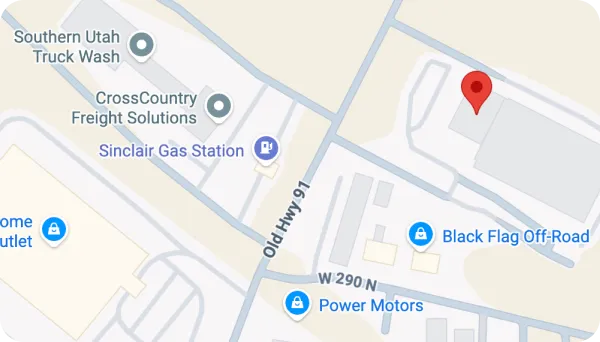
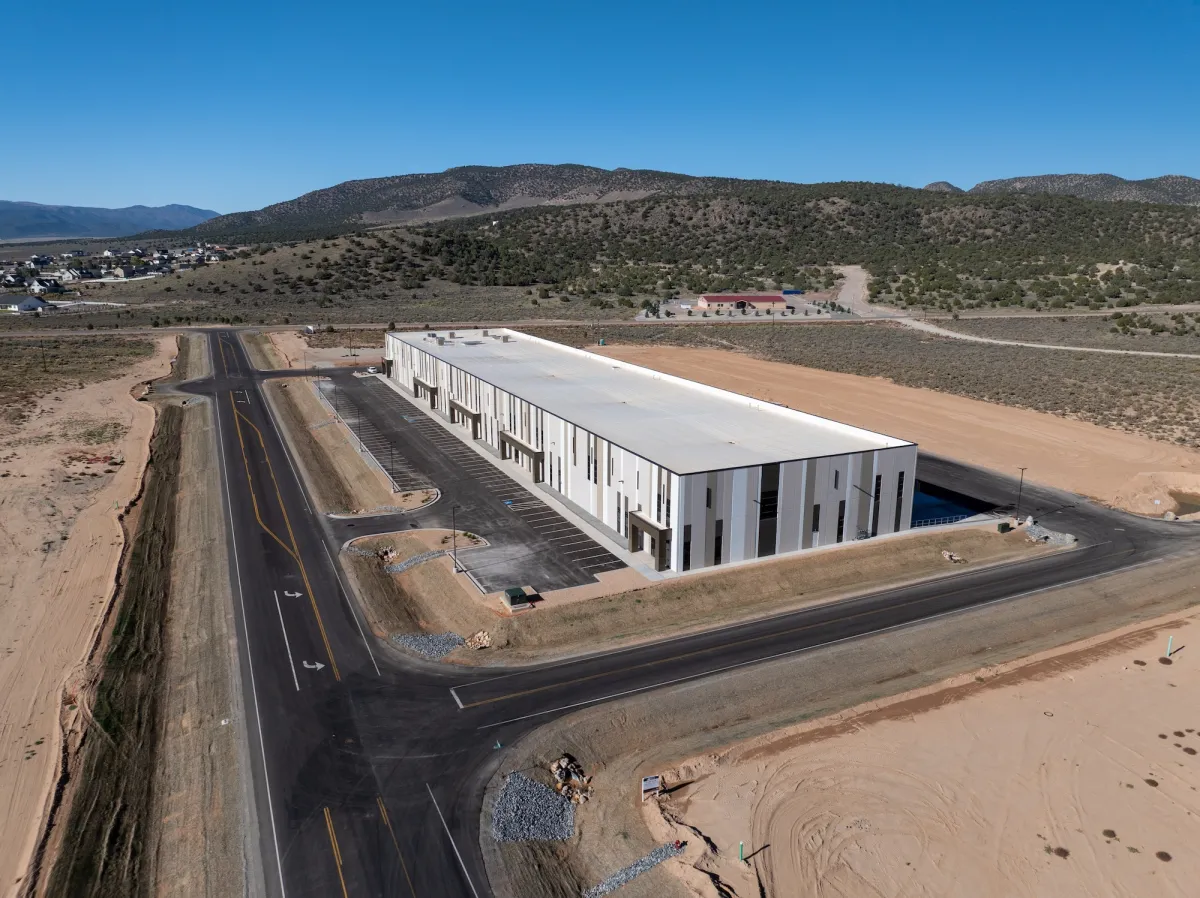
One of the most notable examples is the Iron Springs Project Area in Iron County, Utah. Approved in 2023 as Utah's first rural inland port, Iron Springs demonstrates how inland ports can create economic opportunities beyond major metropolitan areas. Located near Cedar City, the approximately 2,300-acre project area offers direct access to Interstate 15, the Union Pacific Railroad, regional air transportation, and existing utility infrastructure, making it an attractive location for manufacturers, distributors, and logistics providers.
The Iron Springs Project Area has already attracted significant private investment in advanced manufacturing and logistics. The area now includes multiple rail transloading facilities that allow businesses to efficiently transfer freight between rail and trucks, reducing shipping costs while improving supply chain flexibility. Companies in industries ranging from steel fabrication and plastics manufacturing to construction materials and agricultural products are leveraging this infrastructure to reach customers throughout the western United States more efficiently.
The project also illustrates how inland ports can stimulate regional economic growth. Investments in transportation infrastructure have supported new manufacturing facilities, expanded industrial development, and created high-quality jobs in Southern Utah. By improving access to national rail networks and major interstate highways, Iron Springs is helping rural businesses compete more effectively while diversifying Iron County's economy and strengthening Utah's position as a logistics hub in the western United States.
As Utah continues to invest in inland port infrastructure, projects like Iron Springs highlight the evolving role these logistics centers play in building resilient supply chains, attracting private investment, and supporting long-term economic development. By connecting rural communities with major transportation networks, the Utah Inland Port Authority is demonstrating that efficient supply chain infrastructure can benefit businesses and communities well beyond traditional port cities.
The Future of Supply Chain Logistics
As global trade continues to evolve, inland ports will play an even larger role in building efficient, resilient, and sustainable supply chains.
Growing e-commerce demand, expanding international trade, infrastructure investments, and continued pressure to reduce transportation costs are driving increased interest in inland logistics hubs. Companies that incorporate inland ports into their distribution strategies can benefit from improved transportation efficiency, lower operating costs, faster regional delivery, and greater flexibility during periods of disruption.
While they may not receive the same attention as major seaports, inland ports have become indispensable components of modern freight transportation. By connecting rail networks, highways, warehouses, and distribution centers into a seamless logistics ecosystem, they help businesses move products more efficiently from ports to consumers. In today's fast-moving economy, inland ports are no longer simply transfer points—they are strategic assets that strengthen supply chains, support economic growth, and help ensure goods reach their destinations quickly, reliably, and sustainably.